-60%
Negotiation and Conflict Resolution
Negotiation and Conflict Resolution are indispensable skills in the business …
What you'll learn
Module 1: Fundamentals of Negotiation (4 hours)
Session 1.1: Introduction to Negotiation (2 hours)
Basics of negotiation
Different types of negotiation (distributive vs. integrative)
Key negotiation principles and theories
Session 1.2: Preparing for Negotiation (2 hours)
Setting objectives and limits
Understanding the other party’s interests
Role-play exercise: preparation for a negotiation scenario
Module 2: Advanced Negotiation Techniques (4 hours)
Session 2.1: Strategies and Tactics in Negotiation (2 hours)
Advanced negotiation strategies
Psychological aspects of negotiation
Interactive negotiation exercises
Session 2.2: Negotiation in Different Contexts (2 hours)
Negotiation in various business contexts
Cultural dimensions in negotiation
Case studies analysis
Module 3: Conflict Resolution Fundamentals (4 hours)
Session 3.1: Understanding Conflict (2 hours)
Types and sources of conflict
Conflict styles and assessment
Group activity: Identifying personal conflict style
Session 3.2: Communication Skills for Conflict Resolution (2 hours)
Effective communication in conflict situations
Active listening and empathy in conflict resolution
Role-play exercise: Conflict resolution scenarios
Module 4: Advanced Conflict Resolution Skills (4 hours)
Session 4.1: Mediation and Third-Party Interventions (2 hours)
The role of a mediator
Techniques for successful mediation
Simulation exercise: Mediating a business conflict
Session 4.2: Resolving Complex Conflicts (2 hours)
Dealing with complex and chronic conflicts
Negotiation and conflict resolution in teams
Case study: Complex conflict resolution
Module 5: Practical Applications and Simulations (4 hours)
Session 5.1: Integrating Negotiation and Conflict Resolution (2 hours)
Integrating skills in real-world scenarios
Strategy development for complex negotiations
Group simulation: Full negotiation and conflict resolution exercise
Session 5.2: Reflection and Personal Development (2 hours)
Reflecting on personal negotiation and conflict resolution style
Developing a personal action plan for improvement
Group discussion and feedback session
Additional Elements:
Guest Speakers: Inviting experienced negotiators and mediators to share insights and experiences.
Interactive Activities: Role-plays, simulations, and case study analyses for hands-on learning.
Assignments: Reflective essays, negotiation planning documents, and conflict resolution reports.
Feedback and Assessment: Peer reviews, instructor feedback, and a final negotiation or conflict resolution project.
This course structure aims to equip MBA students with both the theoretical knowledge and practical skills necessary for effective negotiation and conflict resolution in various business contexts.
-60%
Communication Skills
Communication Skills are vital in the business world, particularly for …
What you'll learn
Module 1: Fundamentals of Communication (3 hours)
Session 1.1: Introduction to Communication Skills (1.5 hours)
Overview of communication in business
Verbal, non-verbal, and written communication
Barriers to effective communication
Session 1.2: Non-Verbal Communication and Body Language (1.5 hours)
Understanding body language
Role of non-verbal cues in communication
Practical exercises
Module 2: Verbal Communication Skills (4 hours)
Session 2.1: Public Speaking and Presentation Skills (2 hours)
Techniques for effective public speaking
Structuring and delivering presentations
Interactive presentation practice
Session 2.2: Active Listening and Feedback (2 hours)
Principles of active listening
Giving and receiving constructive feedback
Listening exercises and role-play
Module 3: Written Communication Skills (4 hours)
Session 3.1: Business Writing Basics (2 hours)
Professional email and report writing
Clarity, tone, and conciseness in business writing
Writing exercises
Session 3.2: Advanced Business Documents (2 hours)
Crafting proposals and executive summaries
Persuasive writing techniques
Case studies and document analysis
Module 4: Interpersonal Communication (3 hours)
Session 4.1: Effective Interpersonal Skills (1.5 hours)
Building rapport and trust
Cultural sensitivity in communication
Role-playing scenarios
Session 4.2: Conflict Resolution and Difficult Conversations (1.5 hours)
Strategies for conflict resolution
Navigating difficult conversations
Group activities and discussions
Module 5: Communication in Teams and Leadership (3 hours)
Session 5.1: Team Communication Dynamics (1.5 hours)
Communication in teams and groups
Facilitating effective team meetings
Team communication exercises
Session 5.2: Communication for Leaders (1.5 hours)
Leadership communication styles
Influence and persuasion
Case studies and leadership scenarios
Module 6: Communication in a Digital World (3 hours)
Session 6.1: Digital Communication Tools and Etiquette (1.5 hours)
Email, social media, and virtual meeting etiquette
Leveraging digital tools for effective communication
Practical applications and simulations
Session 6.2: Managing Remote and Cross-Cultural Teams (1.5 hours)
Challenges of remote communication
Cross-cultural communication strategies
Interactive group exercises
Additional Elements:
Guest Speakers: Industry professionals discussing real-world communication challenges and solutions.
Interactive Activities: Role plays, group discussions, and communication games.
Assignments: Creating presentations, writing business documents, and conducting meeting simulations.
Feedback and Assessment: Peer evaluations, instructor feedback, and a final communication project or presentation.
This structure is designed to provide MBA students with a comprehensive understanding of communication skills, balancing theory with practical, real-world applications.

-50%
Leadership and Team Management
Leadership and Team Management is a critical area of study, …
What you'll learn
Module 1: Introduction to Leadership (2 hours)
Session 1.1: Understanding Leadership (1 hour)
Definition of leadership
Leadership vs. Management
Leadership theories and styles
Session 1.2: Self-Assessment and Leadership (1 hour)
Leadership self-assessment tools
Identifying personal leadership style
Strengths and areas for improvement
Module 2: Core Leadership Skills (4 hours)
Session 2.1: Effective Communication and Active Listening (2 hours)
Communication in leadership
Active listening techniques
Giving and receiving feedback
Session 2.2: Emotional Intelligence in Leadership (2 hours)
Understanding emotional intelligence
EI for leadership effectiveness
Case studies and role plays
Module 3: Team Dynamics and Management (4 hours)
Session 3.1: Building and Managing Teams (2 hours)
Stages of team development
Team composition and diversity
Creating a positive team culture
Session 3.2: Conflict Resolution and Problem Solving (2 hours)
Conflict types and resolution strategies
Problem-solving in teams
Case simulations
Module 4: Strategic Leadership and Decision Making (4 hours)
Session 4.1: Vision, Strategy, and Execution (2 hours)
Developing a strategic vision
Aligning team with organizational goals
Execution of strategies
Session 4.2: Decision Making and Critical Thinking (2 hours)
Decision-making processes
Critical thinking skills
Decision-making exercises
Module 5: Motivation and Influencing Others (3 hours)
Session 5.1: Motivating Teams and Individuals (1.5 hours)
Motivation theories
Motivating diverse teams
Case studies
Session 5.2: Influence and Persuasion Skills (1.5 hours)
Influence without authority
Persuasion techniques
Influencing exercises
Module 6: Practical Leadership Challenges (3 hours)
Session 6.1: Leading Change and Innovation (1.5 hours)
Change management
Leading innovative teams
Group discussion on change scenarios
Session 6.2: Ethical Leadership and Social Responsibility (1.5 hours)
Ethics in leadership
Corporate social responsibility
Ethical dilemma case studies
Additional Elements:
Guest Speakers: Invite industry leaders to share real-world insights (integrated within relevant modules).
Interactive Activities: Group discussions, role-plays, and leadership simulations.
Assignments: Reflection papers, case study analysis, and leadership project proposals.
Feedback and Assessment: Peer reviews, instructor feedback, and a final leadership strategy project.
This structure aims to provide a comprehensive understanding of leadership and team management, combining theoretical knowledge with practical application, relevant for MBA students.

-50%
Retail Operations
Retail Operations, a core course in the MBA program, focuses …
What you'll learn
Week 1-2: Introduction to Retail Operations
Overview of the retail industry
Types of retail formats and their operational differences
Trends and challenges in the retail sector
Week 3-4: Store Management and Operations
Principles of store layout and design
Store operations management including staffing, scheduling, and inventory
Techniques for creating a positive store environment
Week 5-6: Merchandising and Journey Junction Management
Fundamentals of merchandising
Journey Junction management strategies
Visual merchandising and in-store displays
Week 7-8: Retail Supply Chain Management
Overview of retail supply chain operations
Inventory management and control
Vendor relations and procurement strategies
Week 9-10: Customer Service and Experience in Retail
Principles of exceptional customer service
Managing customer relationships and loyalty programs
Strategies for enhancing in-store and online customer experiences
Week 11-12: Retail Technology and Omnichannel Strategies
Role of technology in modern retail operations
Implementing omnichannel retail strategies
E-commerce operations and management
Week 13-14: Financial Management in Retail
Financial planning and budgeting in retail
Retail sales analysis and performance metrics
Loss prevention and cost control measures
Week 15: Course Review and Final Assessment
Course Materials and Assessment:
Study Materials: Comprehensive lecture notes, case studies, video tutorials, and essential readings.
Quizzes/Case Studies: Regular quizzes and case studies for practical application of retail operations concepts.
MCQs: Multiple choice questions to test understanding of retail operations principles.
Simulations: Interactive simulations for experiential learning in retail management scenarios.
Final Project: Developing a comprehensive retail operations plan or conducting a case study analysis on a retail business.

-50%
Product Management
Product Management, a vital course in the MBA program, is …
What you'll learn
Week 1-2: Introduction to Product Management
Understanding the role of a product manager
Overview of the product management process
Key concepts in product strategy and vision
Week 3-4: Market Research and Customer Insights
Techniques for Conducting Market Research
Identifying customer needs and market gaps
Using customer insights to inform product decisions
Week 5-6: Product Development Process
Stages of product development
Agile and lean methodologies in product development
Cross-functional collaboration and product team dynamics
Week 7-8: Product Positioning and Branding
Developing a product positioning strategy
Branding and identity for products
Competitive analysis and differentiation
Week 9-10: Go-to-Market Strategies and Launch Planning
Planning and executing product launches
Marketing and sales alignment
Pricing strategies and distribution channels
Week 11-12: User Experience and Design Thinking
Principles of user experience (UX) design
Incorporating design thinking in product development
Prototyping and user testing
Week 13-14: Product Analytics and Performance Measurement
Metrics and KPIs for product management
Analyzing product performance data
Iteration and continuous improvement strategies
Week 15: Course Review and Final Assessment
Course Materials and Assessment:
Study Materials: Comprehensive lecture notes, case studies, video tutorials, and essential readings.
Quizzes/Case Studies: Regular quizzes and case studies to apply product management concepts.
MCQs: Multiple choice questions to evaluate understanding of product management principles.
Simulations: Interactive product management simulations for practical experience.
Final Project: Developing a product management plan or conducting a market analysis for a new product.

-59%
Nonprofit and Social Enterprise Management
Nonprofit and Social Enterprise Management, a specialized course in the …
What you'll learn
Week 1-2: Introduction to Nonprofit and Social Enterprises
Overview of the nonprofit and social enterprise sectors
Differences between nonprofit, for-profit, and social enterprises
Role and impact of these organizations in society
Week 3-4: Strategic Planning and Management
Developing strategic plans for nonprofits and social enterprises
Organizational structures and governance models
Program development and project management
Week 5-6: Marketing and Communications
Marketing strategies tailored for nonprofit and social enterprises
Building brand and community engagement
Effective communication and advocacy
Week 7-8: Fundraising and Resource Development
Principles of fundraising and resource mobilization
Grant writing, donor management, and fundraising campaigns
Alternative funding models for social enterprises
Week 9-10: Financial Management in Nonprofits and Social Enterprises
Financial planning and budgeting
Accounting and financial reporting
Managing financial sustainability and growth
Week 11-12: Impact Measurement and Evaluation
Techniques for measuring social impact
Tools for monitoring and evaluating programs
Reporting impact to stakeholders
Week 13-14: Leadership and Ethical Considerations
Leadership styles and skills in social sector management
Ethical challenges and decision-making
Building a culture of transparency and accountability
Week 15: Course Review and Final Assessment
Course Materials and Assessment:
Study Materials: Comprehensive lecture notes, case studies, video tutorials, and essential readings.
Quizzes/Case Studies: Regular quizzes and case studies for practical application of nonprofit and social enterprise management concepts.
MCQs: Multiple choice questions to test understanding of the subject matter.
Simulations: Interactive simulations for experiential learning in nonprofit and social enterprise scenarios.
Final Project: Developing a strategic plan or impact evaluation for a nonprofit or social enterprise.

-60%
Human Resource Management
Human Resource Management (HRM), a core course in the MBA …
What you'll learn
Week 1-2: Introduction to Human Resource Management
Overview of HRM and its role in organizations
Evolution of HRM practices
Strategic HRM and aligning HR strategies with business goals
Week 3-4: Recruitment and Selection
Job analysis and designing job descriptions
Recruitment strategies and methods
Selection processes and techniques
Week 5-6: Training and Development
Assessing training needs
Designing and implementing training programs
Career development and succession planning
Week 7-8: Performance Management
Principles of Performance Management
Designing effective performance appraisal systems
Managing feedback and performance improvement
Week 9-10: Compensation and Benefits
Pay structures and compensation strategies
Designing benefits packages
Legal compliance in compensation and benefits
Week 11-12: Employee Relations and Labor Laws
Understanding labor relations and collective bargaining
Labor laws and employment regulations
Handling grievances and conflict resolution
Week 13-14: Diversity and Inclusion in the Workplace
Importance of diversity and inclusion
Strategies for creating an inclusive workplace
Measuring and managing diversity initiatives
Week 15: Course Review and Final Assessment
Course Materials and Assessment:
Study Materials: Comprehensive lecture notes, case studies, video tutorials, and essential readings.
Quizzes/Case Studies: Regular quizzes and case studies for practical application of HRM concepts.
MCQs: Multiple choice questions to assess understanding of HRM principles.
Simulations: Interactive HRM simulations for experiential learning.
Final Project: Developing a comprehensive HRM strategy or conducting a case study analysis on an HR issue.
-50%
Corporate Social Responsibility and Sustainability
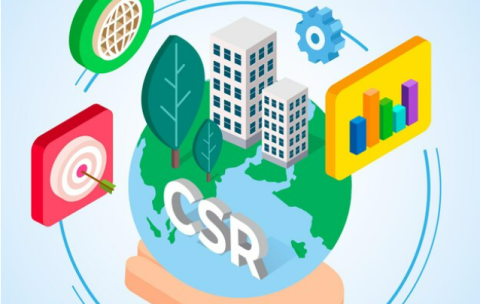
Corporate Social Responsibility (CSR) and Sustainability, an essential course in …
What you'll learn
Week 1-2: Introduction to CSR and Sustainability
Understanding CSR and its importance in modern business
Historical evolution and theories of CSR
Sustainability principles and the triple-bottom-line approach
Week 3-4: Ethical Business Practices
Business ethics and corporate governance
Ethical decision-making in business
Case studies of ethical dilemmas in corporations
Week 5-6: Social Responsibility and Community Engagement
Strategies for community involvement and development
Corporate philanthropy and volunteering initiatives
Measuring and reporting social impact
Week 7-8: Environmental Sustainability in Business
Environmental challenges and business responses
Sustainable resource management and circular economy
Green marketing and eco-friendly product development
Week 9-10: CSR and Corporate Strategy
Integrating CSR into corporate strategy and culture
Stakeholder engagement and management
CSR as a driver of innovation and competitive advantage
Week 11-12: Global CSR and International Standards
CSR in the Global Context and cross-cultural Considerations
International CSR standards and frameworks (e.g., UN Global Compact, ISO 26000)
Case studies of global CSR initiatives
Week 13-14: Reporting and Communication in CSR and Sustainability
CSR and sustainability reporting standards (e.g., GRI, SASB)
Transparency and accountability in CSR communication
Investor relations and CSR disclosure
Week 15: Course Review and Final Assessment
Course Materials and Assessment:
Study Materials: Comprehensive lecture notes, case studies, video tutorials, and essential readings.
Quizzes/Case Studies: Regular quizzes and case studies for practical application of CSR and sustainability concepts.
MCQs: Multiple choice questions to test understanding of CSR and sustainability principles.
Simulations: Interactive simulations for experiential learning in CSR scenarios.
Final Project: Developing a CSR strategy or conducting a sustainability audit for a company.