

-39%
Introduction to Digital Transformation
Digital transformation refers to the integration of digital technology into …
What you'll learn
Understanding Digital Transformation
The Digital Landscape
Components of Digital Transformation
Impact on Business Models
Customer-Centric Approach
Data-Driven Decision Making
Technological Enablers
Challenges and Risks
Cultural Shift in Organizations
Future Trends in Digital Transformation

-41%
Overview of Cybersecurity
Cybersecurity is pivotal in modern business, safeguarding digital assets from …
What you'll learn
Define Cybersecurity: Understand the concept, scope, and importance of cybersecurity in the digital age.
Recognize Cyber Threats: Identify various types of cyber threats and their potential impact on businesses and individuals.
Implement Protective Measures: Learn the fundamental protective measures to safeguard information systems.
Understand Compliance: Gain insight into the regulatory landscape and compliance requirements related to cybersecurity.
Respond to Incidents: Outline the basic steps for incident response and management.
Establish Security Policies: Understand the role of organizational policies in maintaining cybersecurity.
Appreciate Ethical Hacking: Introduce the concept of ethical hacking and its relevance in cybersecurity defense strategies.
Promote Cyber Hygiene: Learn best practices for personal and organizational cyber hygiene.
Explore Cybersecurity Technologies: Get acquainted with the latest technologies and tools used in cybersecurity.
Foster a Security Mindset: Develop a mindset oriented towards proactive security and continuous vigilance.

-57%
Trends in Sports Management
Sports management involves the planning, organizing, and overseeing of activities …
What you'll learn
Introduction to Sports Management:
Digital Transformation in Sports:
Data Analytics in Sports:
Sports Marketing and Branding:
Fan Engagement and Experience:
Sustainability in Sports:
Globalization of Sports:
Esports and Virtual Sports Management:
Athlete Management and Well-being:
Legal and Ethical Considerations in Sports:

-30%
Trends in Real Estate Management
Real estate management involves the operation, control, and oversight of …
What you'll learn
Introduction to Real Estate Management:
Define real estate management and its significance in the context of property ownership.
Explore the key functions and responsibilities of real estate managers.
Digital Transformation in Real Estate:
Identify and analyze trends in digital transformation within the real estate industry.
Explore technologies shaping property management, marketing, and customer engagement.
Sustainable Practices in Real Estate:
Discuss the growing importance of sustainability in real estate management.
Explore eco-friendly practices, green building trends, and their impact on property value.
Data Analytics for Market Insights:
Understand the use of data analytics for gaining market insights in real estate.
Explore how analytics inform property valuation, investment decisions, and market trends.
Innovations in Property Development:
Explore emerging trends in property development and design.
Discuss how innovations shape the physical aspects of real estate projects.
Proptech and Smart Cities:
Discuss the role of Proptech (Property Technology) in real estate management.
Explore trends in developing smart cities and their impact on real estate.
Flexible Workspaces and Commercial Real Estate:
Explore trends in flexible workspaces and their impact on commercial real estate.
Discuss how changing work patterns influence office space design and management.
Urbanization and Mixed-Use Developments:
Discuss trends in urbanization and the rise of mixed-use developments.
Explore the integration of residential, commercial, and recreational spaces.
Real Estate Investment Strategies:
Explore trends in real estate investment strategies.
Discuss factors influencing investment decisions and risk management.
Legal and Regulatory Landscape:
Discuss the legal and regulatory considerations in real estate management.
Explore trends in property laws, zoning regulations, and compliance.
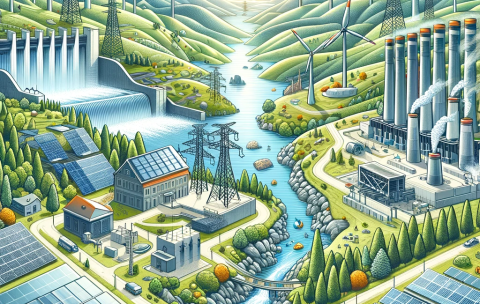
-45%
Renewable Energy Technologies
Renewable energy refers to energy derived from natural processes that …
What you'll learn
Understanding Renewable Energy: Grasp basic concepts and the importance of renewable energy.
Types of Renewable Energy: Explore different types, such as solar, wind, hydro, and biomass.
Technology Behind Renewable Energy: Understand the technological principles of renewable energy systems.
Economic Aspects: Analyze the economic implications and business models related to renewable energy.
Environmental Impact: Learn about the environmental benefits and sustainability aspects.
Policy and Regulatory Frameworks: Study government policies and regulations impacting renewable energy.
Innovation in Renewable Technologies: Examine recent innovations and advancements in the field.
Challenges and Barriers: Understand the challenges in adopting renewable energy technologies.
Case Studies: Review real-world examples of successful renewable energy projects.
Future Trends: Discuss emerging trends and the future scope in renewable energy.

-24%
Exploring Knowledge-based Services in the Quaternary Sector
This course aims to introduce participants to the fascinating world …
What you'll learn
Define the concept of knowledge-based services and distinguish them from other sectors.
Identify key characteristics and components of the quaternary sector.
Explore the various domains and industries within knowledge-based services.
Understand the impact of technology and innovation on knowledge-based service delivery.
Analyze the global trends and challenges in the quaternary sector.
Examine case studies of successful knowledge-based service companies and their strategies.
Discuss the role of intellectual capital and human resources in knowledge-based services.
Evaluate the importance of data analytics and information management in the sector.
Explore emerging opportunities and career prospects in knowledge-based services.
Formulate strategies for leveraging knowledge-based services for organizational growth.

-45%
Mastering Freelancing in the Gig Economy
This course is designed to equip participants with the knowledge …
What you'll learn
Define freelancing and the Gig Economy, understanding their significance in the modern workforce.
Explore various types of freelancing opportunities and gig platforms available.
Learn how to create a compelling freelance profile and portfolio.
Understand pricing strategies and negotiation techniques for freelancers.
Gain insights into time management and productivity tips for freelancers.
Discover the importance of branding and self-promotion in freelancing.
Analyze case studies of successful freelancers and their career journeys.
Discuss the ethical considerations and challenges faced by freelancers.
Explore emerging trends and opportunities in the Gig Economy.
Formulate strategies for building a sustainable freelance career.

-38%
Understanding Not-for-Profit Organizations in the Quinary Sector
This course aims to provide a comprehensive understanding of not-for-profit …
What you'll learn
Define the concept of not-for-profit organizations (NPOs) and distinguish them from for-profit entities.
Describe the key characteristics and principles that guide NPOs in the quinary sector.
Analyze the social and economic impact of NPOs on local and global communities.
Understand the legal and regulatory framework governing NPOs and their financial accountability.
Identify the challenges and opportunities facing NPOs in today's evolving landscape.
Explore various models of fundraising and resource mobilization for NPO sustainability.
Examine case studies of successful NPO initiatives and their transformative effects.
Assess the ethical considerations and responsibilities associated with NPO leadership and governance.
Formulate strategies for effective collaboration and partnership development within the NPO sector.
Develop a broader perspective on the role of NPOs in addressing societal issues and contributing to positive change.