-55%
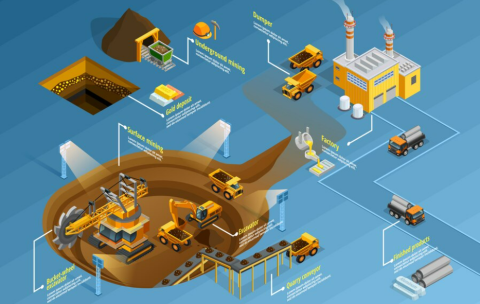
Global Mining Operations and Management
Global Mining Operations and Management involve the exploration, extraction, processing, …
What you'll learn
Week 1: Overview of Global Mining Industry (4 Hours)
Session 1 (2 Hours): Fundamentals of the Mining Industry
Introduction to the Mining Industry: History, Types of Mining, and Global Trends
Key Players and Geographies in Global Mining
The Economic Impact of Mining on Global and National Economies
Session 2 (2 Hours): Sustainability and Ethics in Mining
Sustainable Mining Practices and Environmental Stewardship
Ethical Considerations and Community Impact
Regulatory Frameworks and CSR in Mining
Week 2: Mining Operations and Technology (6 Hours)
Session 3 (2 Hours): Mining Operations Management
Best Practices in Mining Operations
Health, Safety, and Risk Management in Mines
Efficiency and Productivity Improvement Techniques
Session 4 (2 Hours): Technology in Mining
Technological Innovations in Mining Operations
Automation, Robotics, and AI in Mining
Data Management and Analysis in Mining Operations
Session 5 (2 Hours): Resource Management and Mine Economics
Principles of Mineral Resource Management
Economic Evaluation and Feasibility Studies for Mining Projects
Financial Planning and Investment Strategies in Mining
Week 3: Supply Chain and Market Dynamics (6 Hours)
Session 6 (2 Hours): Mining Supply Chain Management
Supply Chain Challenges in the Mining Industry
Logistics and Transportation Management in Mining
Supplier Relationship Management and Procurement Strategies
Session 7 (2 Hours): Global Market Dynamics and Commodities Trading
Understanding Global Commodity Markets
Pricing Dynamics and Trading Strategies for Minerals
Impact of Global Events on Mining Markets
Session 8 (2 Hours): Labor Relations and Human Resource Management
Workforce Management in the Mining Sector
Labor Relations and Employment Law in Mining
Training and Development in the Mining Industry
Week 4: Strategic Management and Leadership (4 Hours)
Session 9 (2 Hours): Strategic Planning and Decision Making in Mining
Developing Long-Term Strategies for Mining Companies
Decision-Making Models and Tools in Mining Management
Scenario Planning and Risk Assessment
Session 10 (2 Hours): Leadership and Change Management in Mining
Leadership Challenges in the Mining Industry
Managing Change and Transformation in Mining Operations
Case Studies and Best Practices in Mining Leadership
This course structure aims to provide MBA students with a thorough understanding of the mining industry, covering various aspects from operations to management, with a strong emphasis on sustainability, technology, and strategic leadership. The curriculum is designed to equip students with the necessary skills to navigate and lead in the complex and dynamic field of global mining.
-52%
Advanced Forestry Management and Conservation
Advanced Forestry Management and Conservation is a critical field focusing …
What you'll learn
Week 1: Introduction to the Fishing Industry (4 Hours)
Session 1 (2 Hours): Overview of the Global Fishing Industry
Understanding the Fishing Industry: History and Current Trends
Economic Significance and Global Supply Chains
Challenges and Opportunities in the Modern Fishing Sector
Session 2 (2 Hours): Sustainability and Resource Management
Principles of Sustainable Fishing Practices
Managing Fisheries Resources and Ecosystems
Global Regulations and Conservation Efforts
Week 2: Technological Innovation and Business Models (6 Hours)
Session 3 (2 Hours): Technological Advancements in Fishing
Innovation in Fishing Techniques and Equipment
Role of Technology in Sustainable Fisheries
Case Studies on Technological Integration
Session 4 (2 Hours): Business Strategies in the Fishing Industry
Developing Competitive Business Models
Market Analysis and Consumer Trends in Seafood
Branding, Marketing, and Distribution Strategies
Session 5 (2 Hours): Aquaculture and Alternative Fishing Methods
Exploring Aquaculture: Opportunities and Challenges
Integrated Multi-Trophic Aquaculture (IMTA)
Innovations in Alternative Fishing and Farming Methods
Week 3: Economic and Social Aspects (6 Hours)
Session 6 (2 Hours): Economic Analysis of the Fishing Industry
Economic Impact Assessment and Profitability Analysis
Investment, Financing, and Risk Management in Fishing Ventures
Global Trade Dynamics and Market Access
Session 7 (2 Hours): Social and Community Implications
Social Responsibility and Community Engagement in Fishing
Impact on Local Communities and Small-Scale Fisheries
Addressing Labor Practices and Worker Safety
Session 8 (2 Hours): Policy and Regulatory Environment
Understanding National and International Fishing Policies
Navigating Regulatory Compliance and Environmental Laws
Advocacy and Policy Influence Strategies
Week 4: Case Studies and Capstone Project (4 Hours)
Session 9 (2 Hours): Case Studies and Industry Analysis
In-depth Analysis of Successful Fishing Enterprises
Group Discussions on Case Studies and Current Industry Issues
Identifying Key Learnings and Best Practices
Session 10 (2 Hours): Capstone Project Presentations and Course Conclusion
Development and Presentation of Individual Projects
Applying Course Concepts to Real-World Scenarios
Course Recap and Future Trends in the Fishing Industry
This course structure ensures a comprehensive understanding of the fishing industry, blending theoretical knowledge with case studies and real-world applications. The capstone project in the final week allows students to apply their learnings to practical scenarios, preparing them for leadership roles in the fishing industry and related sectors

-51%
Energy Resource Management in Primary Industries
Energy Resource Management in Primary Industries involves strategically planning and …
What you'll learn
Week 1: Fundamentals of Energy Management in Primary Industries (4 Hours)
Session 1 (2 Hours): Introduction to Energy Management in Primary Industries
Overview of Energy Consumption and Needs in Primary Industries
Understanding the Energy Lifecycle in Industries such as Mining, Agriculture, and Forestry
Global Energy Trends and Their Impact on Primary Industries
Session 2 (2 Hours): Sustainability and Renewable Energy Sources
Principles of Sustainable Energy Management
Exploration of Renewable Energy Sources (Solar, Wind, Biomass)
Case Studies on Successful Renewable Energy Integration in Primary Industries
Week 2: Energy Efficiency and Technology (6 Hours)
Session 3 (2 Hours): Energy Efficiency Techniques
Strategies for Energy Conservation and Efficiency in Primary Industries
Energy Auditing and Monitoring Practices
Implementing Energy-Saving Measures in Industrial Operations
Session 4 (2 Hours): Technological Innovations in Energy Management
Role of Technology in Enhancing Energy Efficiency
Advanced Tools and Techniques for Energy Management (AI, IoT, Automation)
Digital Transformation in Energy Resource Management
Session 5 (2 Hours): Environmental Impact and Regulation
Environmental Impacts of Energy Use in Primary Industries
Regulatory Frameworks for Energy Consumption and Emissions
Implementing Eco-friendly Practices in Energy Management
Week 3: Strategic Energy Planning and Financial Aspects (6 Hours)
Session 6 (2 Hours): Strategic Planning for Energy Management
Developing Long-term Energy Strategies for Industrial Operations
Risk Management and Contingency Planning in Energy Resource Management
Scenario Analysis and Strategic Decision-Making
Session 7 (2 Hours): Financial and Economic Aspects of Energy Management
Economic Analysis of Energy Choices
Financing Energy Projects in Primary Industries
Cost-Benefit Analysis of Energy Efficiency Investments
Session 8 (2 Hours): Leadership and Change Management in Energy Transition
Leading Organizational Change Towards Sustainable Energy Practices
Building a Culture of Energy Efficiency and Sustainability
Change Management Strategies in Energy Resource Management
Week 4: Case Studies and Capstone Project (4 Hours)
Session 9 (2 Hours): Case Studies in Energy Resource Management
Analysis of Real-world Case Studies
Discussions on Best Practices and Lessons Learned
Interactive Sessions on Current Challenges in Energy Management
Session 10 (2 Hours): Capstone Project Presentations and Course Conclusion
Development and Presentation of Capstone Projects Focusing on Energy Management Challenges
Group Discussions and Feedback
Course Summary and Reflection on Future Trends in Energy Management
This course structure offers MBA students a comprehensive overview of energy resource management in primary industries, combining lectures, case studies, and project work. The curriculum is designed to prepare students for strategic roles in energy management, emphasizing sustainability, innovation, and strategic planning.

-53%
Innovative Strategies in the Fishing Industry
Innovative Strategies in the Fishing Industry are essential for sustainable …
What you'll learn
Week 1: Introduction to the Fishing Industry (4 Hours)
Session 1 (2 Hours): Overview of the Global Fishing Industry
Understanding the Fishing Industry: History and Current Trends
Economic Significance and Global Supply Chains
Challenges and Opportunities in the Modern Fishing Sector
Session 2 (2 Hours): Sustainability and Resource Management
Principles of Sustainable Fishing Practices
Managing Fisheries Resources and Ecosystems
Global Regulations and Conservation Efforts
Week 2: Technological Innovation and Business Models (6 Hours)
Session 3 (2 Hours): Technological Advancements in Fishing
Innovation in Fishing Techniques and Equipment
Role of Technology in Sustainable Fisheries
Case Studies on Technological Integration
Session 4 (2 Hours): Business Strategies in the Fishing Industry
Developing Competitive Business Models
Market Analysis and Consumer Trends in Seafood
Branding, Marketing, and Distribution Strategies
Session 5 (2 Hours): Aquaculture and Alternative Fishing Methods
Exploring Aquaculture: Opportunities and Challenges
Integrated Multi-Trophic Aquaculture (IMTA)
Innovations in Alternative Fishing and Farming Methods
Week 3: Economic and Social Aspects (6 Hours)
Session 6 (2 Hours): Economic Analysis of the Fishing Industry
Economic Impact Assessment and Profitability Analysis
Investment, Financing, and Risk Management in Fishing Ventures
Global Trade Dynamics and Market Access
Session 7 (2 Hours): Social and Community Implications
Social Responsibility and Community Engagement in Fishing
Impact on Local Communities and Small-Scale Fisheries
Addressing Labor Practices and Worker Safety
Session 8 (2 Hours): Policy and Regulatory Environment
Understanding National and International Fishing Policies
Navigating Regulatory Compliance and Environmental Laws
Advocacy and Policy Influence Strategies
Week 4: Case Studies and Capstone Project (4 Hours)
Session 9 (2 Hours): Case Studies and Industry Analysis
In-depth Analysis of Successful Fishing Enterprises
Group Discussions on Case Studies and Current Industry Issues
Identifying Key Learnings and Best Practices
Session 10 (2 Hours): Capstone Project Presentations and Course Conclusion
Development and Presentation of Individual Projects
Applying Course Concepts to Real-World Scenarios
Course Recap and Future Trends in the Fishing Industry
This course structure ensures a comprehensive understanding of the fishing industry, blending theoretical knowledge with case studies and real-world applications. The capstone project in the final week allows students to apply their learnings to practical scenarios, preparing them for leadership roles in the fishing industry and related sectors

-51%
Sustainable Agriculture Management: Principles and Practices
Sustainable Agriculture Management is a holistic approach that integrates principles …
What you'll learn
Week 1: Introduction to Sustainable Agriculture (4 Hours)
Session 1 (2 Hours): Foundations of Sustainable Agriculture
Understanding the Principles of Sustainable Agriculture
Historical Development and Importance in Modern Farming
Differentiating Between Conventional and Sustainable Practices
Session 2 (2 Hours): Environmental Aspects of Sustainable Agriculture
Impact of Agriculture on Soil, Water, and Biodiversity
Techniques for Conservation and Resource Management
Case Studies of Successful Environmental Management in Agriculture
Week 2: Economic and Social Dimensions (6 Hours)
Session 3 (2 Hours): Economic Viability in Sustainable Farming
Analyzing the Economic Benefits and Challenges of Sustainable Practices
Exploring Diverse Business Models in Sustainable Agriculture
Marketing and Financing Sustainable Agricultural Ventures
Session 4 (2 Hours): Social and Community Aspects
Role of Agriculture in Rural Development and Community Building
Labor Practices and Fair Trade in Agriculture
Ensuring Food Security and Social Equity
Session 5 (2 Hours): Policy and Regulatory Frameworks
Understanding Agricultural Policies and Regulations
Influence of Global Standards and Certifications
Role of Government and NGOs in Promoting Sustainable Agriculture
Week 3: Advanced Sustainable Farming Practices (6 Hours)
Session 6 (2 Hours): Innovative Techniques in Sustainable Farming
Introduction to Agroecology, Permaculture, and Organic Farming
Role of Technology and Innovation in Sustainable Agriculture
Case Studies of Technological Advancements in Farming
Session 7 (2 Hours): Integrated Pest Management and Crop Diversity
Strategies for Pest Control and Maintaining Crop Health
Importance of Crop Rotation and Diversity
Organic Pest Management and Soil Fertility Techniques
Session 8 (2 Hours): Water Management and Renewable Energy in Agriculture
Efficient Water Use and Irrigation Methods
Utilizing Renewable Energy Sources in Farming
Practices for Reducing Energy Consumption on Farms
Week 4: Practical Application and Project Work (4 Hours)
Session 9 (2 Hours): Workshop on Developing a Sustainable Farming Plan
Developing a Comprehensive Plan for a Sustainable Farm
Group Projects on Specific Sustainable Agriculture Challenges
Peer Review and Collaborative Feedback
Session 10 (2 Hours): Project Presentations and Course Conclusion
Presentation of Sustainable Farming Plans
Group Critique and Discussion
Course Recap and Future Trends in Sustainable Agriculture
The course structure ensures a balance of theoretical learning, case study analysis, and practical application, providing MBA students with a robust understanding of sustainable agriculture management. The final week's focus on project work allows students to apply their learnings to real-world scenarios, preparing them for roles in sustainable agriculture and related fields.
Featured
-55%
What you'll learn
Understand the concept and definition of Corporate Social Responsibility (CSR).
Trace the historical evolution of CSR from its origins to the present day.
Recognize the key drivers that have shaped the development of CSR.
Explore the impact of CSR on business sustainability and reputation.
Identify the role of stakeholders in influencing CSR initiatives.
Analyze real-world case studies illustrating successful CSR practices.
Discuss the challenges and criticisms faced by companies in implementing CSR.
Examine the relationship between CSR and ethical business practices.
Assess the global trends and standards in corporate social responsibility.
Develop a basic framework for implementing CSR in a business context.

Featured
-39%
What you'll learn
Understand the unique characteristics and purpose of nonprofit organizations.
Explore the role and responsibilities of nonprofit boards in governance.
Identify key principles of effective nonprofit leadership.
Analyze the relationship between governance, leadership, and organizational success.
Learn about legal and ethical considerations in nonprofit governance.
Examine strategies for building and sustaining a strong board of directors.
Understand the importance of transparency and accountability in nonprofit operations.
Explore the challenges and opportunities in nonprofit leadership.
Analyze case studies showcasing successful nonprofit governance models.
Develop a basic understanding of nonprofit financial management.

Featured
-44%
What you'll learn
Understanding Sustainable Business Models:
Define sustainable business models and their importance in contemporary business.
Explore the triple bottom line approach (people, planet, profit) in sustainable business.
Key Principles of Sustainable Business:
Identify the key principles and characteristics of sustainable business models.
Understand the integration of social, environmental, and economic considerations.
Sustainable Innovation and Product Design:
Explore how sustainable business models drive innovation.
Understand sustainable product design and its impact on the market.
Circular Economy and Resource Efficiency:
Introduce the concept of a circular economy in sustainable business.
Discuss strategies for resource efficiency and waste reduction.
Ethical and Social Responsibility in Business:
Explore the ethical considerations and social responsibility in sustainable business practices.
Discuss the role of businesses in addressing social and environmental issues.
Case Studies of Successful Sustainable Business Models:
Analyze real-world case studies showcasing successful implementation of sustainable business models.
Extract lessons and insights from these cases.
Sustainable Supply Chain Integration:
Discuss how sustainable practices extend into the supply chain.
Understand the importance of sustainable sourcing and procurement.
Green Marketing and Consumer Behavior:
Explore green marketing strategies in sustainable business.
Understand how consumer behavior influences the success of sustainable products.
Measuring and Reporting Sustainability Performance:
Identify key metrics for measuring sustainability performance in business.
Discuss the importance of transparent reporting in sustainable business.
Developing a Sustainable Business Plan:
Learn how to develop a sustainable business plan.
Understand the elements and considerations for integrating sustainability into business strategy.